UX Planning


Mapping a user experience from start to finish using a defined methodology.
Overview
We are a collective of specialists each with our own areas of expertise often with our own companies that run in parallel. We are always looking for like minded people to collaborate with, if you are interested in working with us please get in touch.
User Experience (UX) planning is a crucial phase in the design process that focuses on creating products that provide meaningful and relevant experiences to users. It involves a series of steps aimed at understanding the users, their needs, and how they interact with the product. The goal is to ensure that the final product is not only functional but also enjoyable and easy to use.
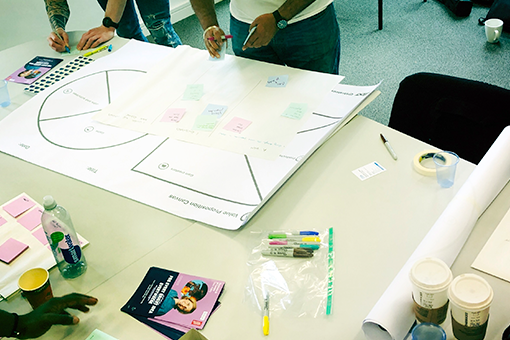
The first step in UX planning is user research. This involves gathering data about the target audience through methods such as surveys, interviews, and observation. The aim is to understand the users’ behaviours, motivations, and pain points. This information is then used to create user personas, which are fictional characters that represent the different user types that might use the product. These personas help the design team keep the users in mind throughout the design process.
Next, the team creates user journey maps. These maps outline the steps a user takes to complete a task with the product. They help identify any potential obstacles or pain points in the user’s journey. By understanding the user’s journey, the team can design solutions that make the process smoother and more intuitive.
Wireframing is another critical step in UX planning. Wireframes are simple, low-fidelity sketches of the product’s layout. They help the team visualise the structure of the product and how the different elements will interact. Wireframes are often created using tools like Sketch or Adobe XD.
Prototyping follows wireframing. Prototypes are interactive models of the product that allow the team to test the design with real users. This step is crucial for identifying any usability issues before the product is developed. Feedback from user testing is used to refine the design.
Finally, UX planning involves continuous iteration. The design is constantly tested and improved based on user feedback. This iterative process ensures that the final product meets the users’ needs and provides a positive experience.
In summary, UX planning is a comprehensive process that involves understanding the users, mapping their journeys, creating wireframes and prototypes, and continuously iterating the design. It is essential for creating products that are not only functional but also enjoyable to use.